
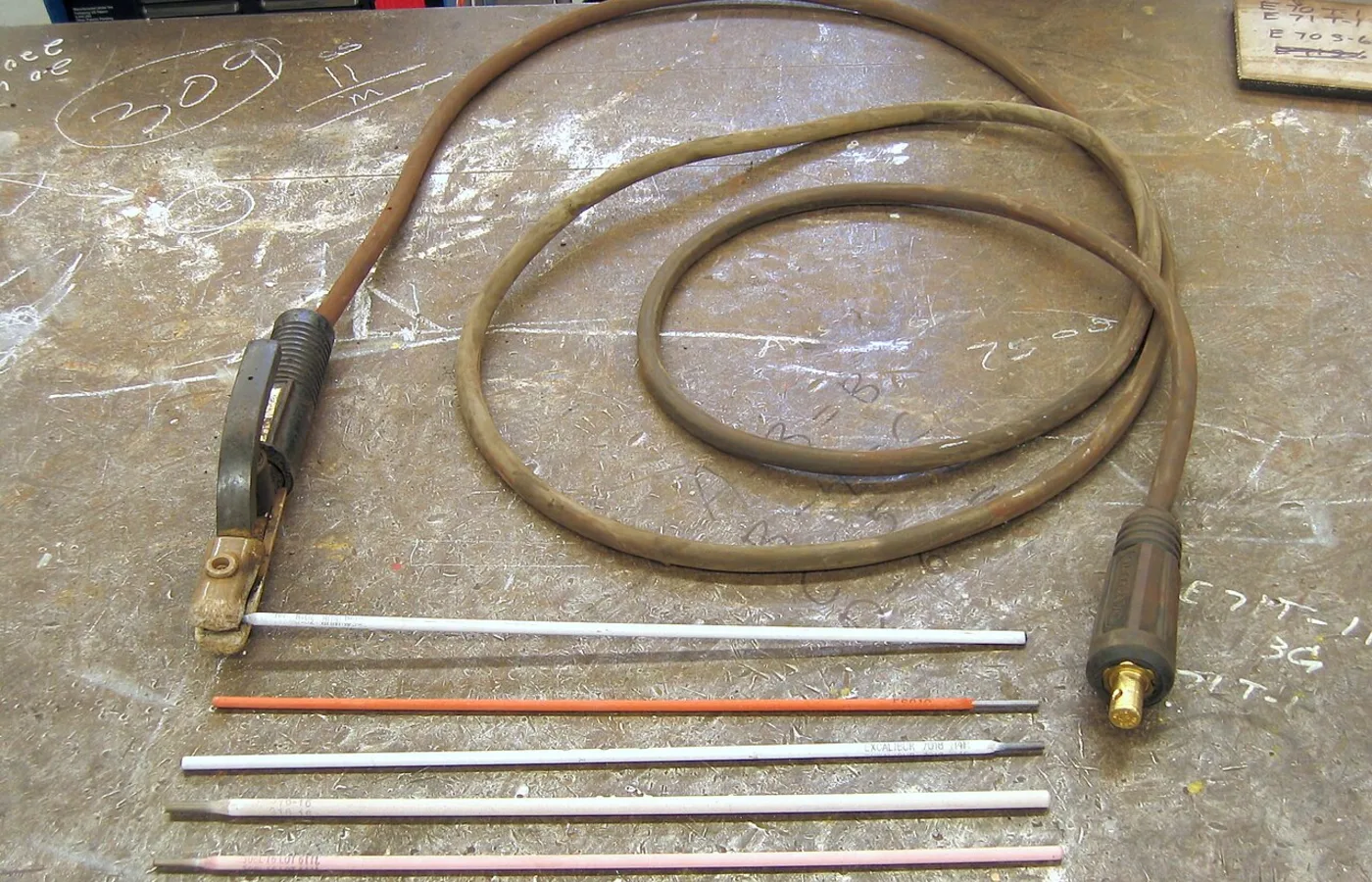
E7018, E7018-1 and E7018-A1: Differences and Substitution
Compare toughness, alloy composition, Atlantic catalogue codes and the checks needed before substituting E7018, E7018-1 or E7018-A1.
Read articlePractical welding knowledge
Technical articles about welding electrodes, wire, standards and industrial welding solutions.
Compare toughness, alloy composition, Atlantic catalogue codes and the checks needed before substituting E7018, E7018-1 or E7018-A1.
Read article
Define the process, base metal, shielding gas, full classification, diameter and quantity before requesting CO2 welding wire.
Read article
What should be defined before requesting an E7018 quotation? A practical guide to classification, diameter, packaging, documentation, storage and delivery.
Read article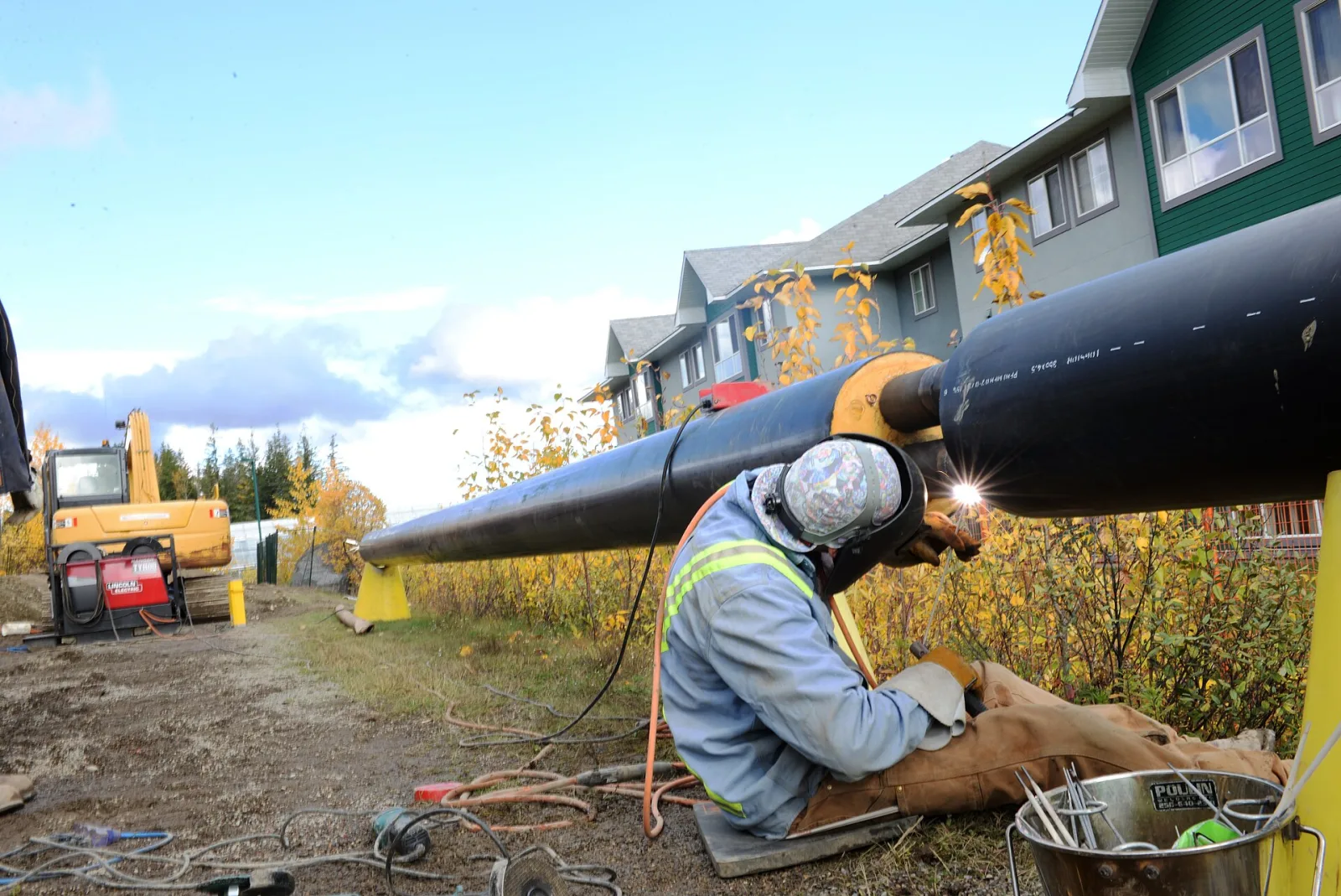
A step-by-step pipe-electrode selection guide covering base metal, WPS, 5G and 6G positions, root, fill and cap passes, and the roles of E6010, E7016 and E7018.
Read article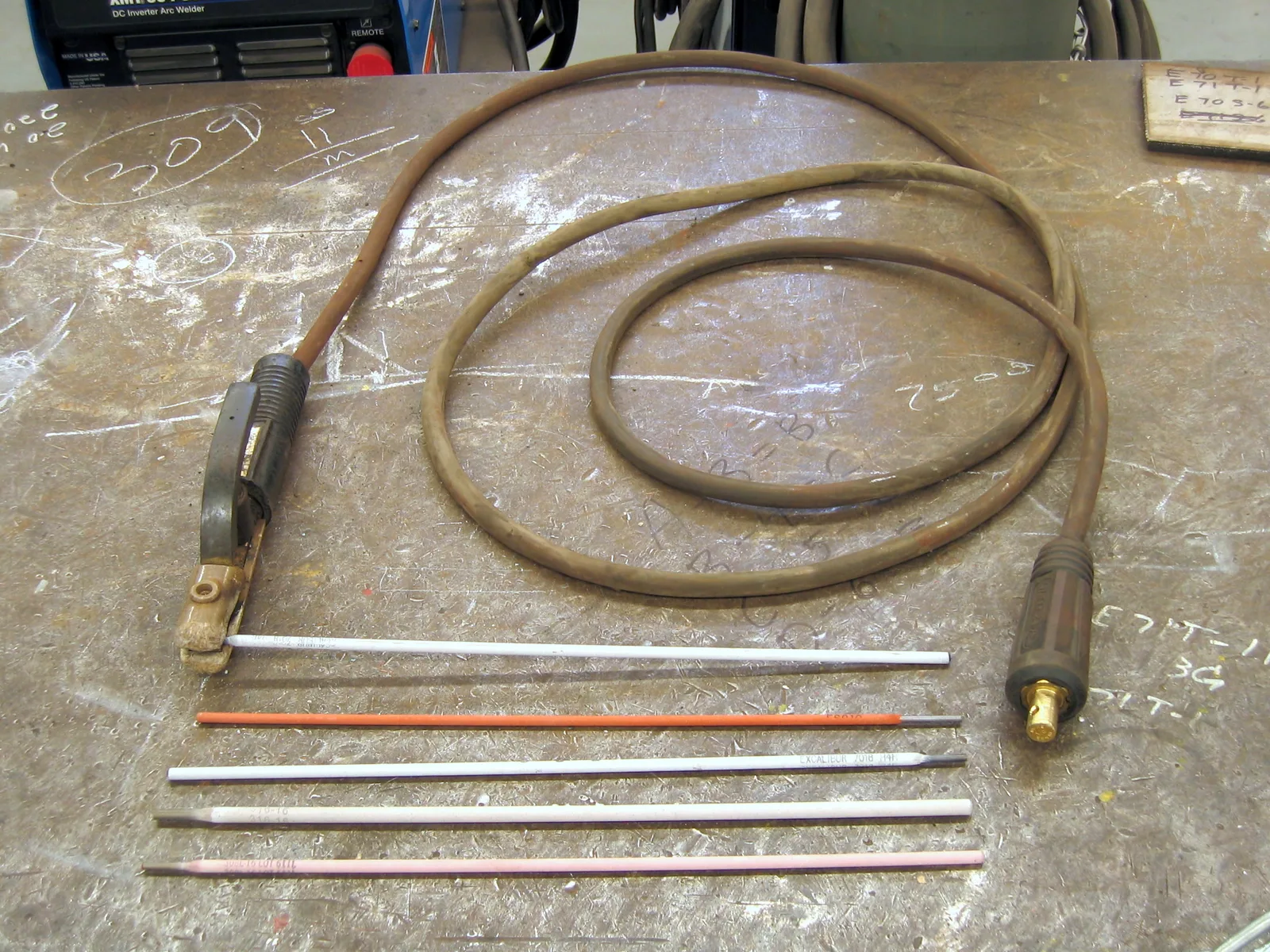
A complete guide to covered electrodes—from core wire and coating functions to E6010, E6013, E7018 and stainless families, AWS classification and a practical selection checklist.
Read article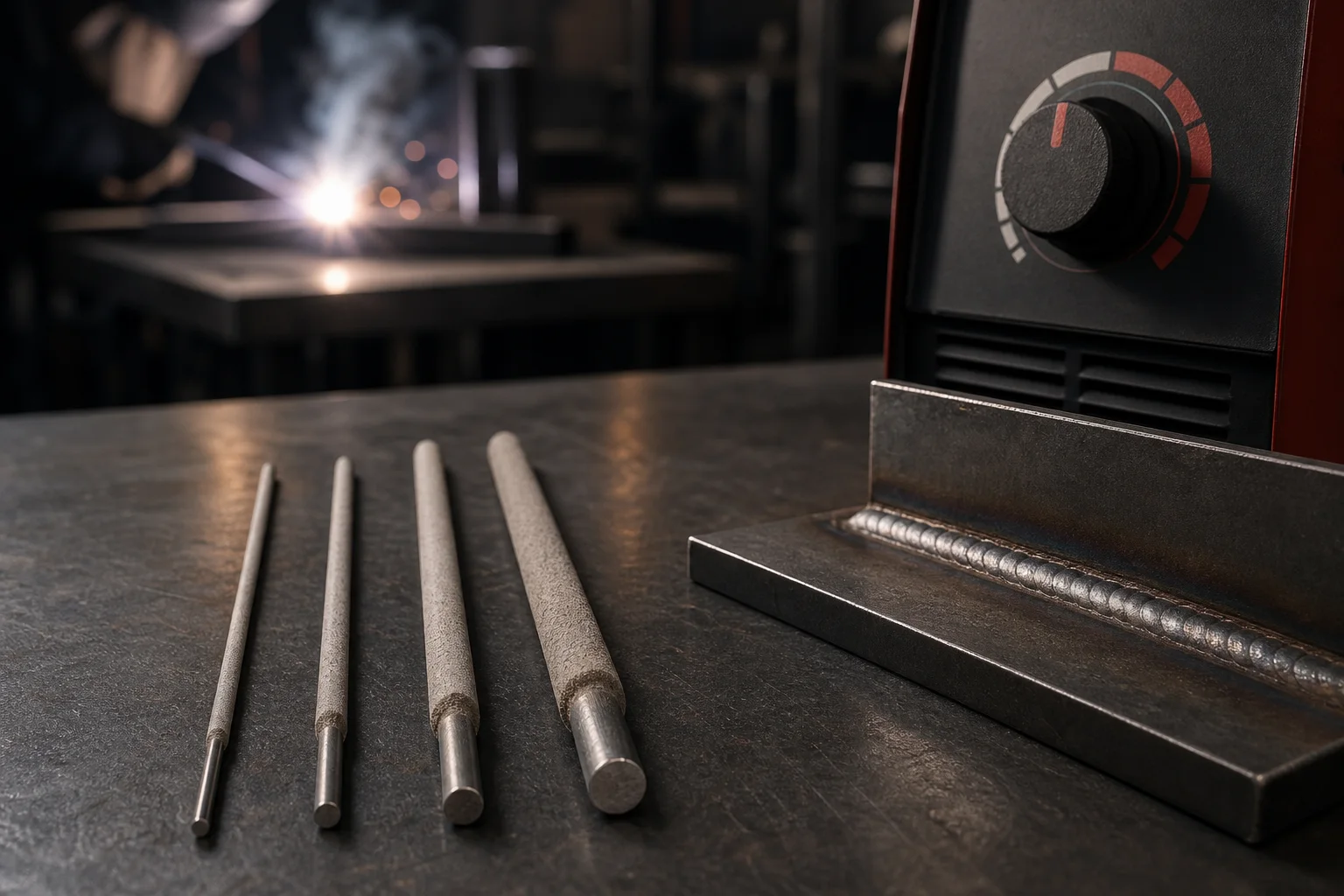
Should you use a 2.5, 3.2, 4 or 5 mm electrode? A practical guide to selecting diameter and current by thickness, electrode type, welding position and weld-pool behaviour.
Read article
A practical comparison of low-alloy electrodes for elevated-temperature service, low-temperature toughness and high-strength joints—from base metal and PWHT to hydrogen control and WPS.
Read article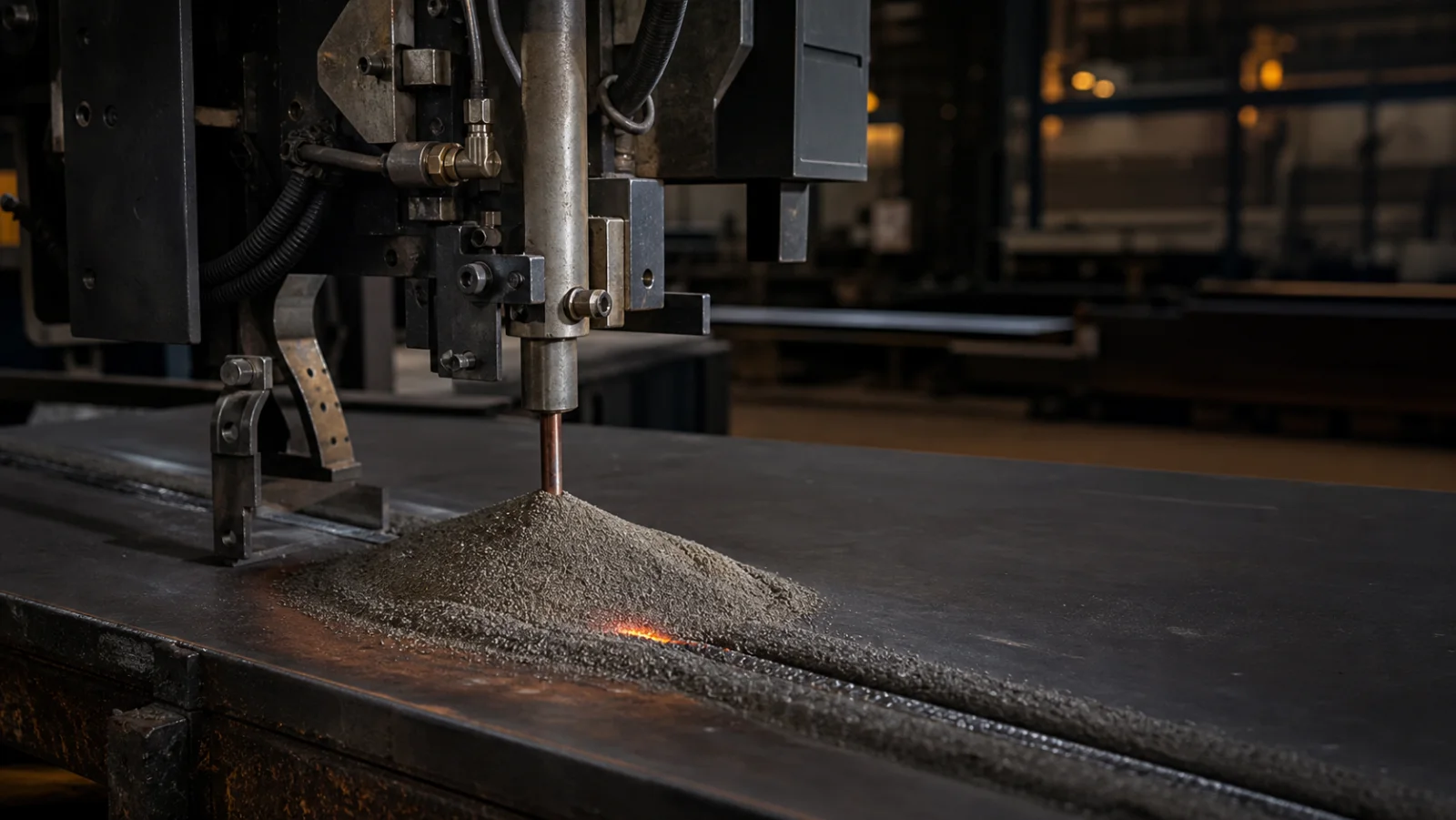
How to select a SAW wire-and-flux combination by base metal, mechanical properties, polarity, flux behaviour and WPS.
Read article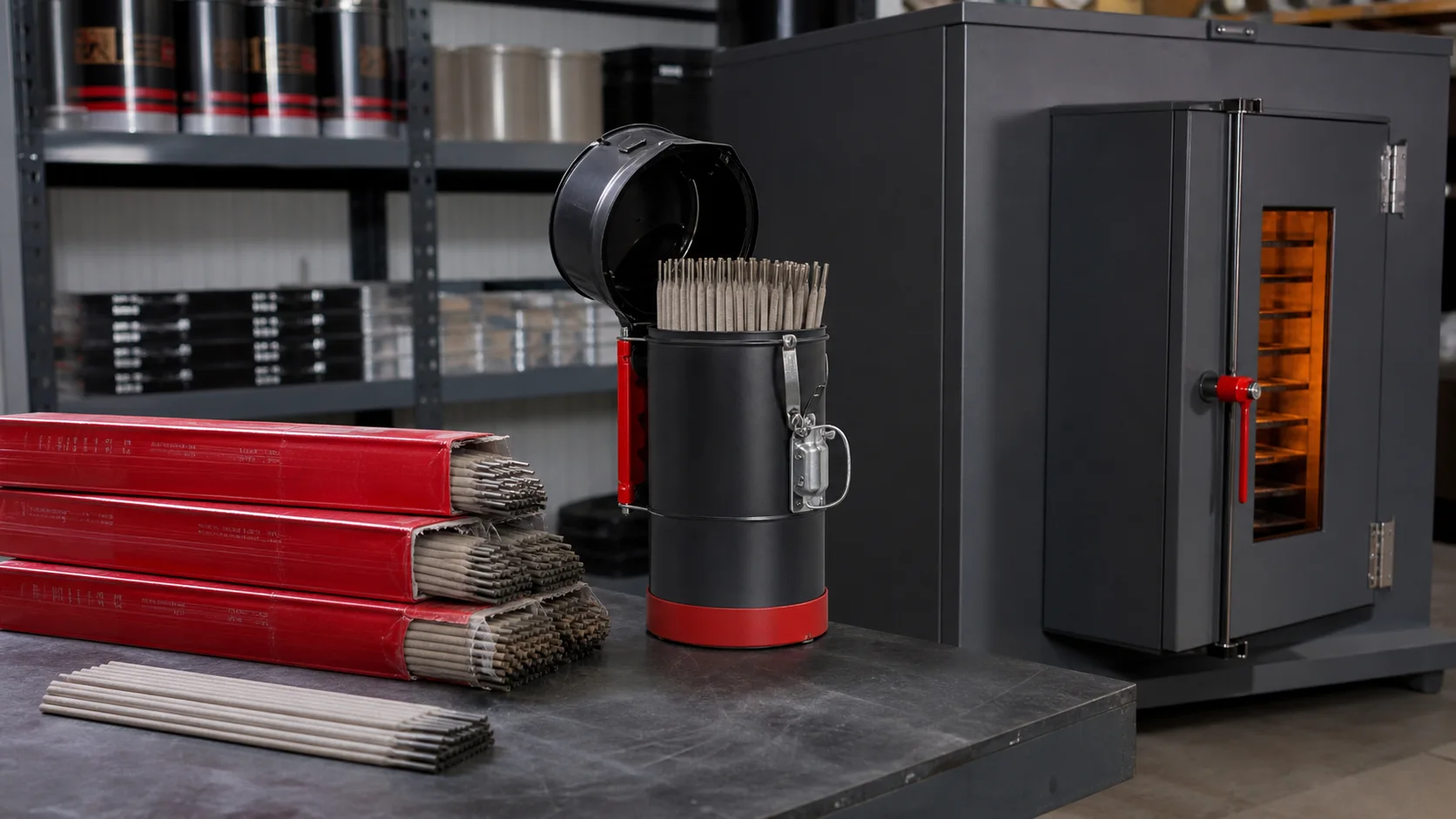
From receiving and storage to heated quivers and redrying: controlling low-hydrogen electrode moisture on site.
Read article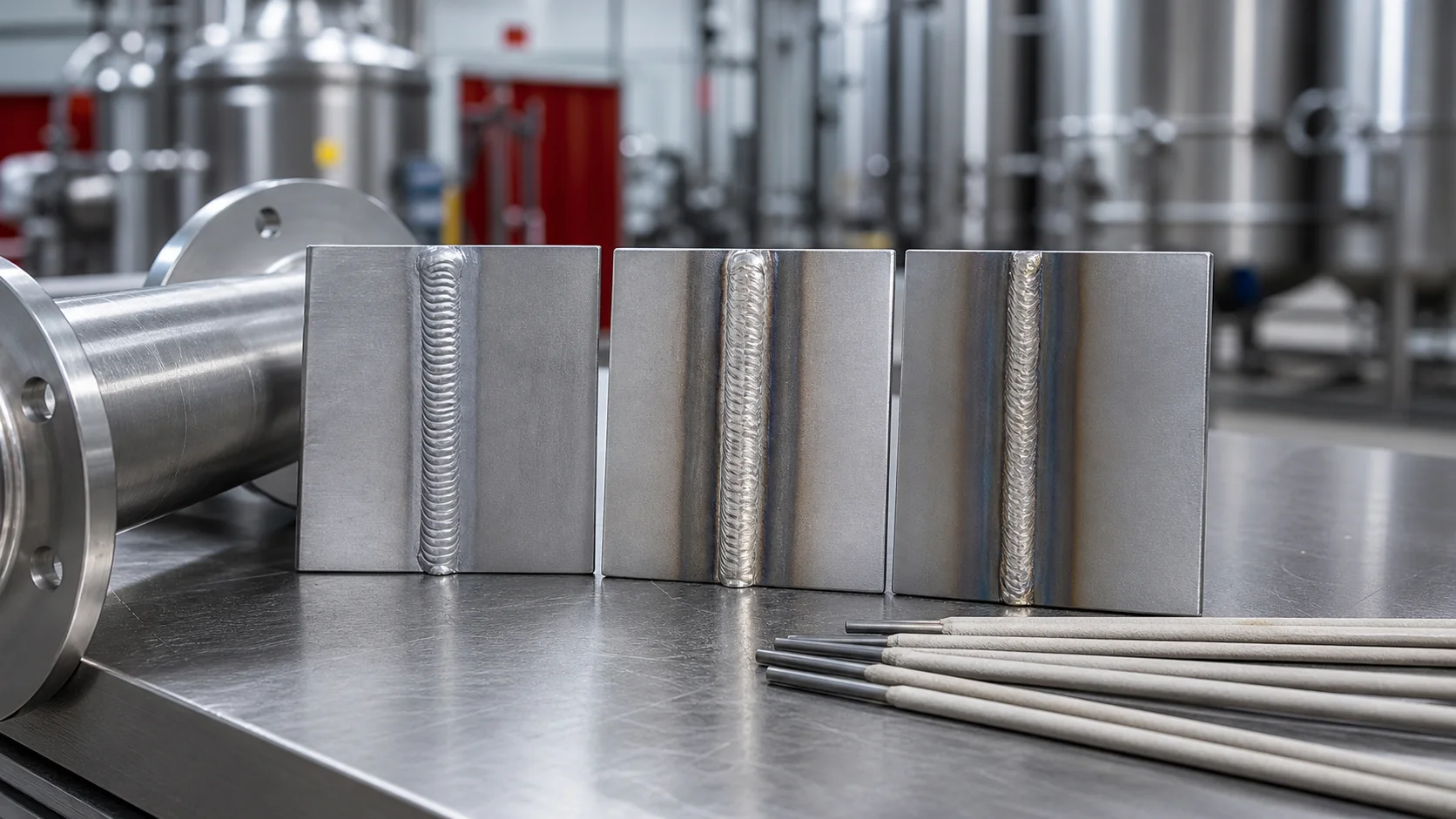
A practical guide to stainless electrode families by base metal and joint type.
Read article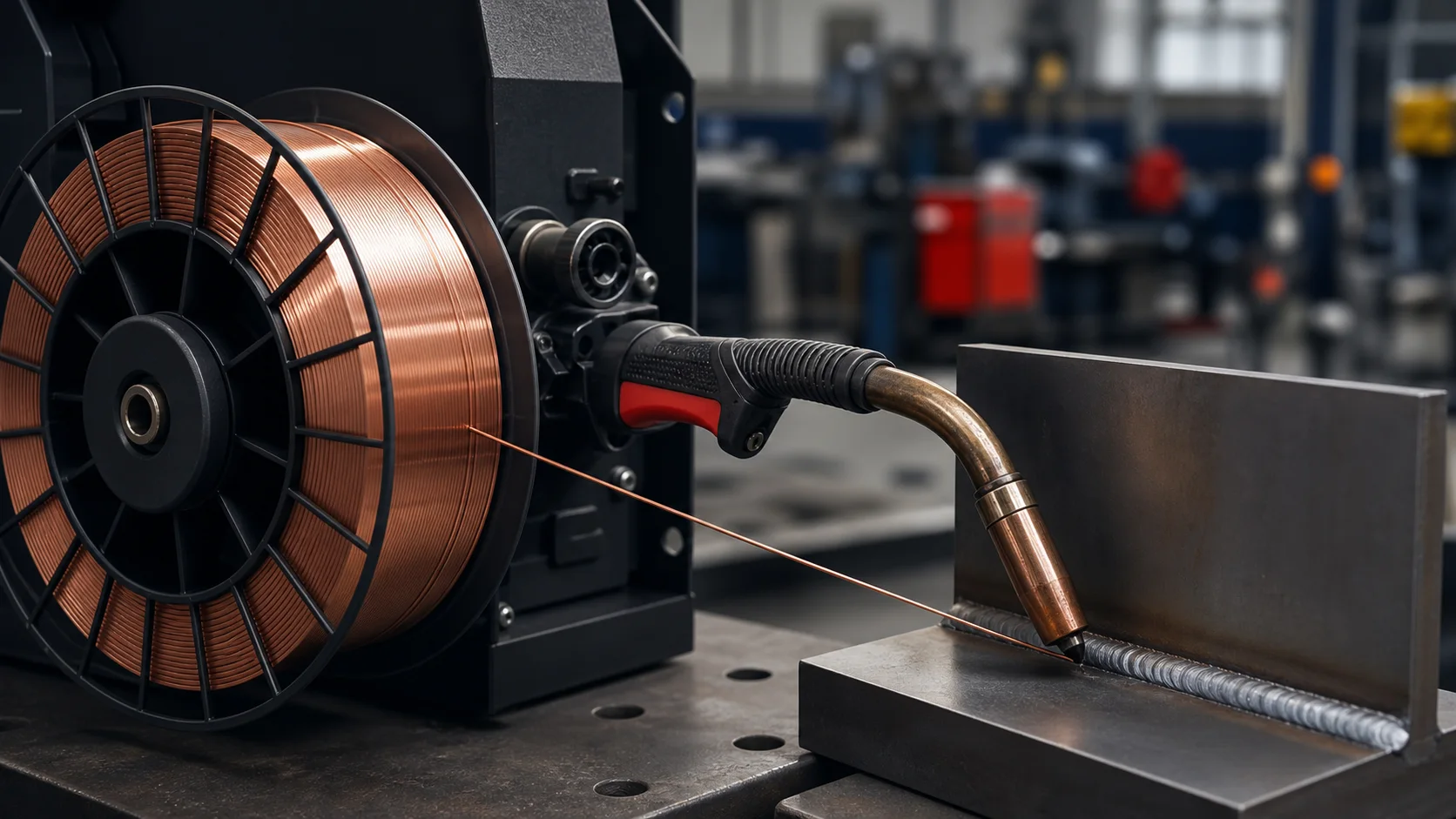
Process, shielding gas, surface condition and the information needed for an accurate ER70S-6 enquiry.
Read article
Key differences in coating, polarity and use, plus what to verify before substitution.
Read article