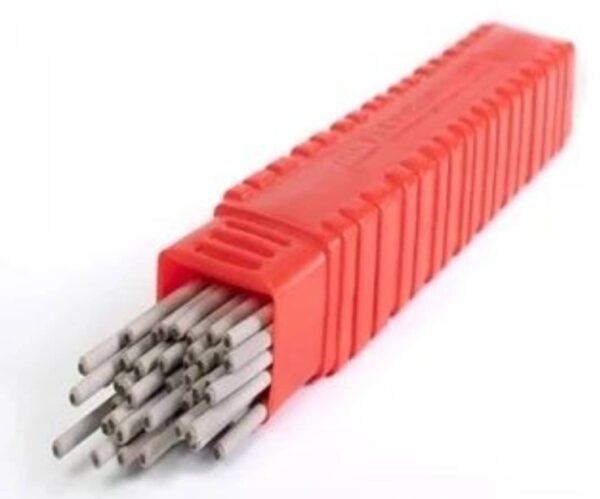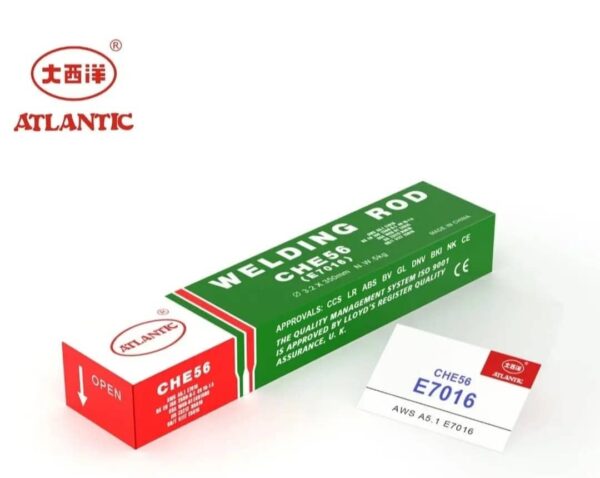
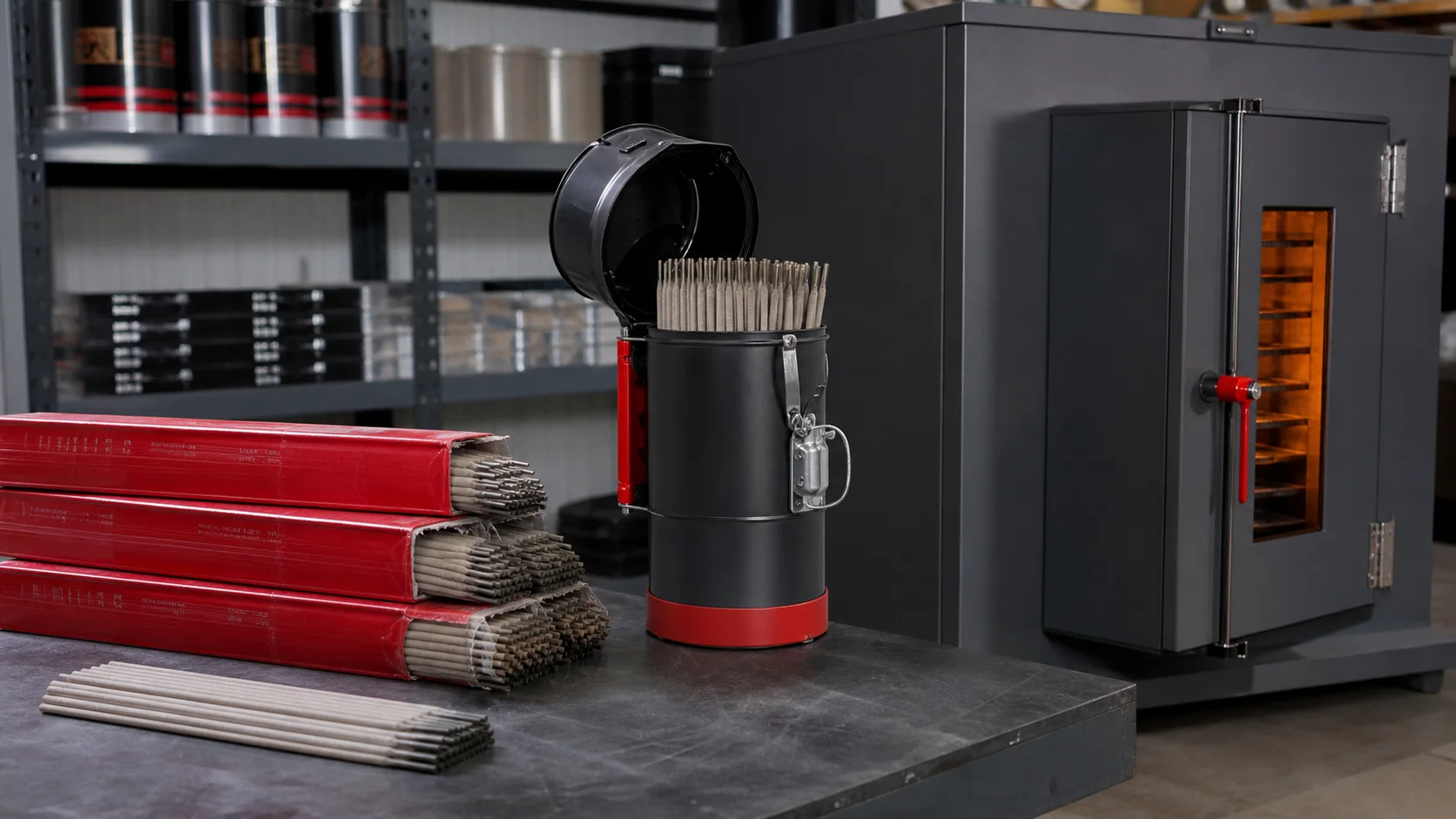
The low-hydrogen value of E7018 is preserved only when its handling chain is controlled. Intact packaging, dry storage, holding ovens, heated field quivers and atmospheric-exposure records form one system. Randomly placing electrodes in an oven is not a substitute for that system.
Why does moisture matter?
Moisture absorbed by the coating can increase diffusible hydrogen in deposited weld metal. In susceptible steels, thick or restrained joints and cold conditions, the combination of hydrogen, stress and hard microstructure may produce delayed hydrogen-assisted cracking. Such cracks may not appear immediately after welding.
Moisture may also contribute to arc instability, porosity or changed slag behaviour. A normal-looking electrode that strikes an arc does not prove that hydrogen conditions remain acceptable.
The control chain from delivery
1. Receiving inspection
Record manufacturer, full classification, diameter, batch number, production date and package condition. Punctured, wet, crushed or unsealed packages should be segregated. Material certification must match the purchase order and project requirements.
2. Storage of unopened packages
Store packages in a dry, clean and stable environment, raised above floors and away from damp walls. Stock rotation based on receipt date and manufacturer limits prevents uncontrolled long-term storage.
3. Transfer after opening
After a conventional package is opened, electrodes should be moved to a holding oven or consumed within the permitted exposure period. Vacuum packages may have different unopened rules, but once opened they follow the limits of that specific product.
4. Transport to the weld
A heated quiver should be clean, functional and fitted with a lid. Overfilling, leaving the lid open or repeated power interruption defeats temperature control. Take only the quantity required for the defined work period.
Holding, redrying and field quivers are different
| Stage | Purpose | Control point |
|---|---|---|
| Holding oven | Maintain dry electrodes after package opening | Stable temperature and issue/return records |
| Redrying | Reduce absorbed moisture when specifically permitted | Exact manufacturer cycle and repetition limit |
| Field quiver | Maintain condition at the work location | Closed lid, stable power and suitable capacity |
Can every damp E7018 electrode be redried?
No. First establish whether the manufacturer permits redrying, how long and under what conditions the package was open, and whether the coating is physically damaged. Projects may limit the number of redrying cycles. Electrodes exposed to liquid water, oil, cracked coating or unknown history may require quarantine and rejection.
Placing cold electrodes directly into a very hot oven can create thermal shock. Excessive temperature or time may damage the coating. Heating rate, soak time and cooling method must follow product data.
What should be recorded?
- Manufacturer, classification, diameter and batch
- Package opening time
- Entry and removal time from the central oven
- Oven identification and calibration status
- Issue to welder and return of unused electrodes
- Cumulative atmospheric exposure
- Redrying cycle, when applicable
- Rejected quantity and reason
Common site mistakes
- Mixing batches or diameters in one unlabelled container
- Using domestic heaters or uncontrolled equipment
- Leaving the field-quiver lid open for convenience
- Returning electrodes of unknown history to controlled stock
- Applying one brand’s E7018 temperature to another product
- Baking cellulosic electrodes according to low-hydrogen rules
A practical project workflow
- Approve datasheets and handling procedure before purchase.
- Record batch and inspect packages on receipt.
- Store intact packages in a controlled environment.
- Open only the planned quantity.
- Transfer to holding or consume within the permitted window.
- Issue limited quantities in identified heated quivers.
- Record exposure and make a defined return, redry or reject decision.
- Audit temperature, calibration and records periodically.
Frequently asked questions
Does vacuum packaging remove the need for an oven?
An intact package within the manufacturer’s conditions may not require heated holding before opening. After opening, the instructions for that product apply.
Can unused electrodes from a shift be used tomorrow?
Only when time and temperature history are known and the approved procedure permits it. Electrodes with unknown history must not be mixed with controlled stock.
What oven temperature should be used?
There is no safe universal answer. Holding and redrying are different operations, and both values must come from the manufacturer datasheet, project specification and approved procedure.
Moisture control preserves classification and reduces hydrogen-cracking risk. This guide does not replace the manufacturer’s instructions, WPS or project consumable-control procedure.